Skip to content
Recipe

Cappuccino recipe

A single espresso against roughly six times as much milk. The rule of thirds that you read almost everywhere does not hold up: in a 150 ml cup the espresso makes up about one sixth of the drink. The cappuccino is still the classic that every other milk drink is measured against, and the only one with a visible layer of foam.

Joscha Gewinner
Rate this recipe

No ratings yet. Be the first.

Last updated on

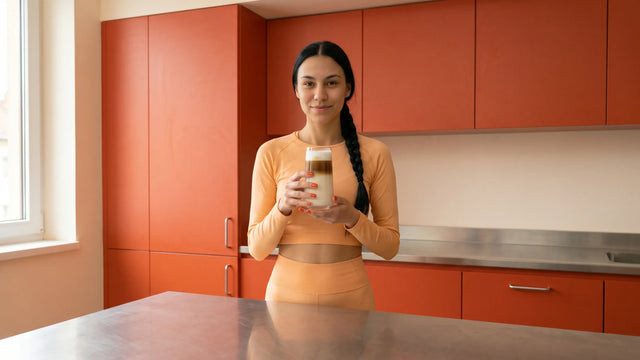
Julia sitzt entspannt in einem Lounge Chair und hält den fertigen Cappuccino mit Latte Art in beiden Händen.

At a glance

Time5 minutes EffortEasy Caffeine70 mg CategoryCoffee recipe

Ingredients for one cup

Coffee beans (Brew ratio 1:2.5)10 g
Cup (150 to 220 ml capacity)1
Whole milk (fresh, 3.5 to 3.9 % fat)150 ml

Caffeine and nutrition

Caffeine70 mg
Energy95 kcal
Fat5.3 g
Carbohydrates7.2 g
Protein5.0 g

Values per cup. Calculated with fresh whole milk, without sugar or cocoa.

What do I need for a cappuccino?

Portafilter machine
Portafilter machine
Grinder
Grinder
Coffee Scale
Coffee Scale

The steam wand of the espresso machine froths the milk, the grinder and the scale keep the espresso accurately dosed.

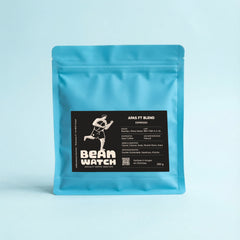
Apas FT Blend Espresso The right beans for it

Apas FT Blend Espresso

Tasting notes: dark chocolate, hazelnut, cherry.

View the coffee
Method

How do you make a cappuccino?

01 Julia bezieht an der Zuriga E2 mit dem Einauslauf-Siebträger einen einfachen Espresso direkt in die Cappuccinotasse.

Pull a single espresso

Grind 10 g and pull about 25 ml of espresso from it. It should be fresh in the cup by the time the milk is ready.

Tip: the cup size has a say too: 150 ml gives you a strong cappuccino, 220 ml a mild one.

A pre-warmed cup keeps the cappuccino at drinking temperature for longer.

02 Julia schäumt die Milch für den Cappuccino an der Dampflanze auf und umfasst das Kännchen am Korpus, um seine Wärme zu spüren.

Froth the milk

Froth 150 ml of cold whole milk with the steam wand. Unlike a flat white, a little more air is allowed here, but the foam still has to be fine-pored.

Tip: a short stretching phase, then guide the wand deeper: in the rolling phase the bubbles break down into fine-pored microfoam. It is ready at 60 to 65 °C, the moment the jug turns uncomfortably hot against your flat hand.

Fresh whole milk with around 3.3 % protein makes the most stable foam.

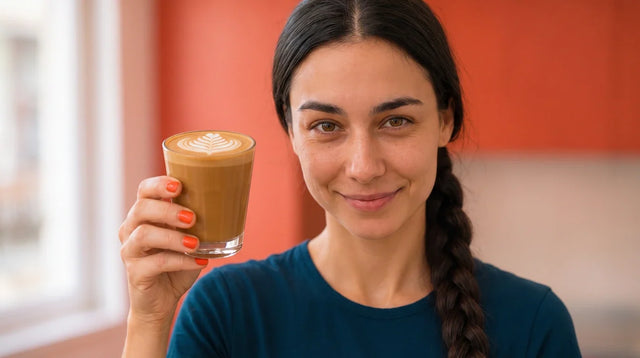
03 Julia giesst die aufgeschäumte Milch aus dem Kännchen in die Tasse mit dem Espresso und zieht dabei eine Rosetta in den Cappuccino.

Pour

Pour the milk into the middle and let the foam slide on top at the end. One to two centimetres of fine-pored foam should sit on top.

Tip: the fluffy foam of the nineties is not the target. Fine-pored lasts longer and carries latte art.

Cocoa goes on the foam after the latte art, if at all.

Variations

  • Double cappuccino: with a double espresso in a 220 ml cup, stronger and closer to a flat white.
  • With cocoa: not part of the classic recipe, but common in Switzerland. Dust it on after the latte art.
  • Plant-based: oat barista froths stably and brings its own sweetness.
Per serving

Caffeine and nutrition

70 mg Caffeine
95 kcal Energy
5.3 g Fat
7.2 g Carbohydrates
5.0 g Protein

Values per cup. Calculated with fresh whole milk, without sugar or cocoa.

Which beans work best

A single shot against 150 ml of milk: the bean has to hold its own. Chocolatey, nutty roasts do that most reliably. If you like it fruity, dose a little higher or take a smaller cup.

Where the name comes from, why Italians only drink it in the morning and how it differs from the latte macchiato is in the cappuccino article.

Frequently asked questions

What is a cappuccino made of?

A single espresso, milk and milk foam. The rule of thirds, though, is a myth: in a 150 ml cup the espresso makes up closer to one sixth. Where the rule comes from is in the cappuccino article. Sugar and cocoa are possible, but they are not part of the recipe.

Which milk works best?

Fresh whole milk with 3.5 to 3.9 % fat and around 3.3 % protein, pasteurised rather than ultra-pasteurised. Among the plant-based alternatives, the barista editions are made for latte art. The full comparison is in the milk article.

How much caffeine does a cappuccino have?

With a single shot from 10 g, around 70 mg, a little more or less depending on the bean. In the caffeine checker you can work out your whole day.

Why do Italians not drink cappuccino after eleven?

Because milk counts as filling there and feels heavy after a meal. It is not a rule, more a habit. More on that in the article.